Platformer Tips: Jumps, Timing and Routes
Most platformer deaths come from the same few mistakes: jumping a frame too early, letting go of momentum at the wrong moment, or rushing into a screen you have not read yet. None of these need fast reflexes. They need a few habits you can build in an afternoon.
6 min read
On this page
This guide covers jump timing, momentum, how to learn a level, and what to do when a game has checkpoints. Where it helps, it points to platformers on CrazyGames.game that suit a particular skill.
Judge the jump in the first minute
Before you try to play well, find out how the jump behaves. Stand on flat ground and jump without moving, then jump from a run. Note how high you go, how far you travel, and whether you can steer in the air. Then tap the button briefly and hold it. If a short tap gives a short hop, you have variable jump height, and that is your main tool for precision.
Also check where the game puts you after a mistake. A level that restarts you instantly is easier to learn from than one that makes you walk back, and you should plan how many risks to take accordingly.
- Jump on the spot, then from a run, and compare the distances.
- Tap versus hold: does jump height change?
- Can you change direction in mid-air?
- Do you need to be fully on the ledge to jump, or is there a little grace?
Timing jumps at ledges and gaps
The usual error is jumping too early out of caution. Run to the very edge, jump as your character is about to leave it, and you get the full distance of the jump. Practise this on a gap you know you can clear until the edge jump feels routine.
For moving platforms and enemies, stop watching your character and watch the hazard. Count its pattern once or twice, then jump on a rhythm, not on a reaction. Reacting to something that moves in a loop is always slower than expecting it.
Momentum and speed control
Running and jumping are linked: speed going into a jump decides how far you go. Build speed on the approach, release the direction key only when you need to land short, and do not change your mind in the air unless you have to.
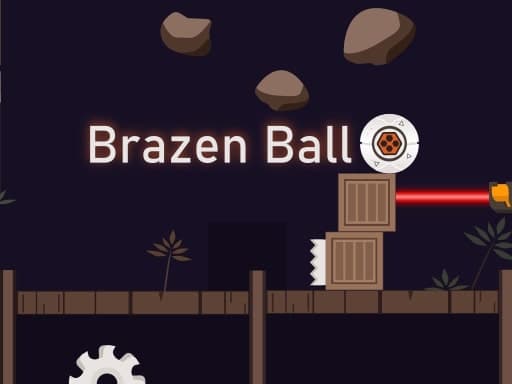
Games that ask for a lot of jumping, such as John is a lifeguard, where you collect rings and destroy whatever gets in your way, reward steady forward movement. Hesitation costs more there than a missed jump. A game like Brazen Ball is different: you roll a robotic ball past sawblades, lasers, spikes, magnets, water and wind, so you will want to control your speed and use the jump deliberately, not hold a direction down.
Learn a level in passes
Do not try to finish a new level on the first attempt. Use the first run to look: note where the enemies are, which platforms move, and where the dangerous gaps sit. On the second run, plan a path through each screen. By the third, you are executing, not exploring.
Break long stages into short sections and treat each as its own puzzle. When you keep dying at the same point, change something. Approach from a different angle, jump from a different spot, or wait one more cycle of the hazard.
- Run one: look, do not rush.
- Run two: choose a route per screen.
- Run three: execute and keep your rhythm.
- If one spot kills you three times, change the approach, not just the timing.
Checkpoints, where they exist
Not every platformer has checkpoints, and you should not assume one is coming. If a game does have them, treat them as the boundaries of your practice sections. Take risks that save time only if the cost of failing is a short replay, and play safer when a long stretch separates you from the last checkpoint.
If a game has no checkpoints, short levels are the structure. Mini Switcher, for example, has 30 levels, so each level is a contained puzzle you can retry until the route is clear.
Control schemes worth knowing
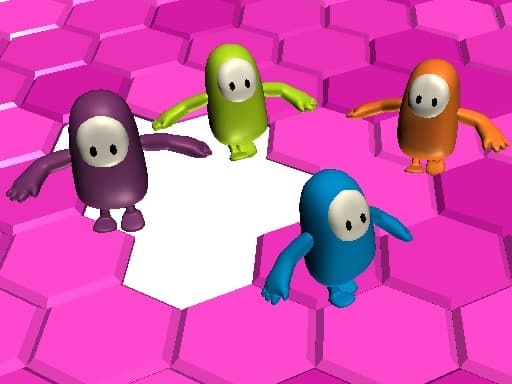
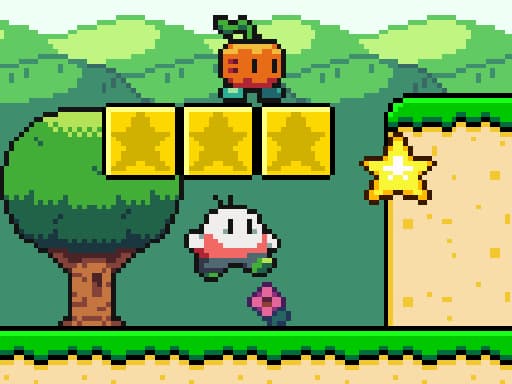
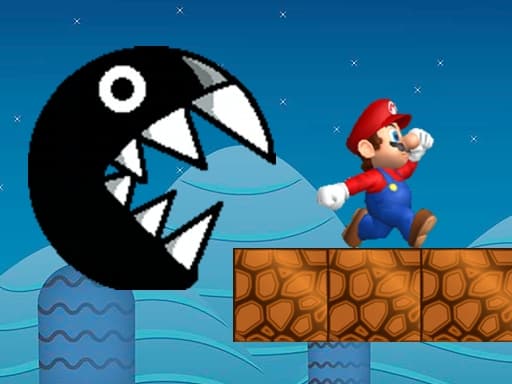
Check the controls before the first run, because they differ a lot. Super Onion Boy uses the arrow keys to move, Z to jump and X to fire. Brazen Ball uses A and D or the arrows to roll, with W or Space to jump. Fall Bros uses WASD to move and Space to jump. Some titles, such as Super Mario Wonder, work from a single click or tap to jump, so timing is everything and there is nothing else to manage.
Mini Switcher takes a different approach: you do not jump at all, you switch gravity with X, Space or a click, or by touch on mobile. It is a good way to practise thinking about timing and paths without worrying about jump arcs.
Playing with a partner
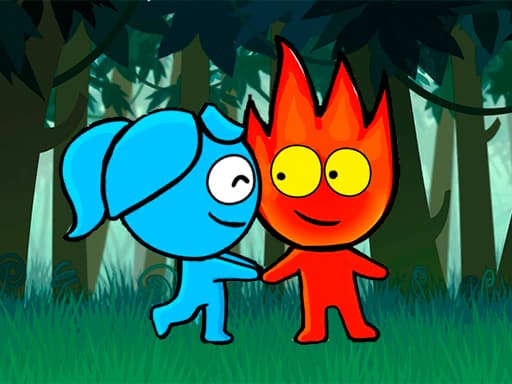
Red boy and Blue Girl Forest Adventure is a two-player platformer: WASD moves the first character and the arrow keys move the second. Co-op platforming is mostly about communication. Agree who goes first, who waits, and who triggers what, and do not move both characters at once unless you have a plan.
If you play alone, practise one character at a time and keep your eyes on the one that is about to be in danger.
Frequently asked questions
How do I get better at jump timing?
Practise edge jumps on a gap you can already clear, then move to harder gaps. Jump as your character leaves the ledge, not before, and use a steady rhythm for moving hazards.
Which platformer on the site has no jump button?
Mini Switcher. You switch gravity with X, Space or a click on desktop, or by touch on mobile, and guide a small blob to the goal across 30 levels.
What is a good platformer for two players?
Red boy and Blue Girl Forest Adventure supports two players. One player uses WASD and the other uses the arrow keys.
Which games use one-button or mouse controls?
Super Mario Wonder uses the mouse or a touch to jump, and Super Mario Bros Movie uses mouse clicks to run and jump, or taps on mobile and tablet.
Should I hold the jump button or tap it?
Test both in the first minute. If tapping gives a lower jump than holding, use short taps for precise landings and full holds for long gaps.